

Feng Chia University Vice President Shwu‑Ting Lee Honored as 2026 Fellow of the Taiwan Institute of Architects
The prestigious title of Fellow of the Taiwan Institute of Architects (FTIA)—one of the most respected honors in Taiwan’s architectural academia and professional community—has been announced. At the annual general meeting of the Taiwan Institute of Architects held on April 18, Shwu‑Ting Lee, Vice President of Feng Chia University, was awarded the 2026 FTIA Fellowship in recognition of her outstanding contributions to architectural education innovation, international engagement, and social practice.
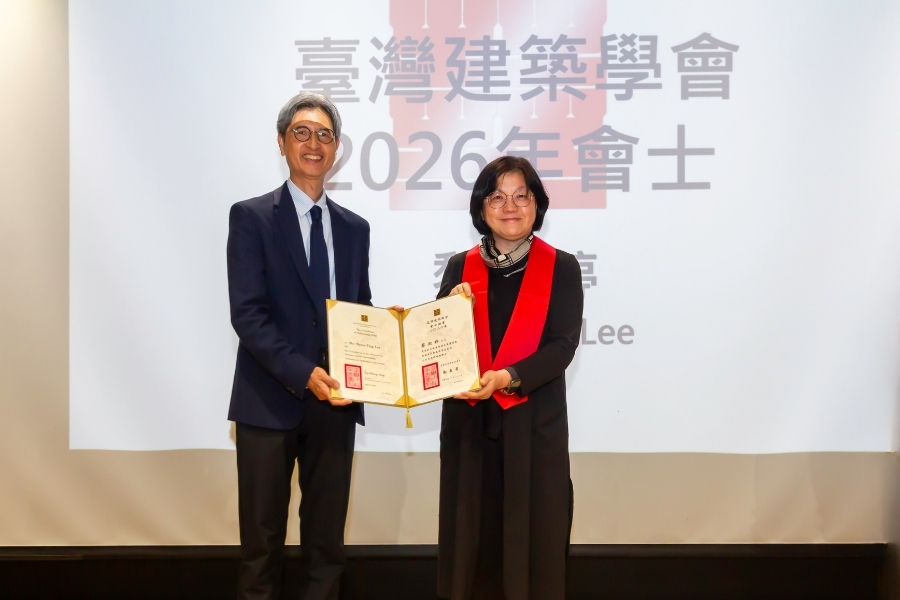
Shwu‑Ting Lee, Vice President of Feng Chia University, has long dedicated herself to architectural education and social practice and was honored as a 2026 Fellow of the Taiwan Institute of Architects.
Vice President Lee has devoted many years to architectural education and brings with her extensive international academic experience in the United States and Australia. Recognizing the importance of multicultural perspectives in architecture and urban development, she has long championed educational innovation and global engagement, encouraging students to step confidently onto the international stage.In 2016, Feng Chia University was approved by the Ministry of Education as Taiwan’s first School of Architecture. Vice President Lee assumed the role of founding dean and has continued to lead the school ever since. Through the integration of diverse resources, the university now supports approximately 200 students each year in overseas internships and exchange programs, helping young learners discover and define their future paths within multicultural contexts.
Beyond academia, Vice President Lee has also guided faculty and students in transforming professional expertise into a compassionate force for society. Initiated by the School of Architecture, the Feng Chia Architecture Little Library Program integrates University Social Responsibility (USR) and Corporate Social Responsibility (CSR) by bringing students and corporate partners together. To date, the program has established 25 small libraries in rural and community settings both in Taiwan and abroad. This initiative not only delivers knowledge and warmth to local communities but also allows participating students to experience the altruistic spirit behind architecture—truly bringing architecture beyond campus and into society.
In public affairs and industry collaboration, Vice President Lee is equally hands‑on. She has played a key role in promoting the establishment of the Taichung Architecture and Cultural Education Foundation, uniting forces from the industry and design sectors to create a long‑term platform for urban cultural exchange. She also actively participates in governmental urban planning and environmental development committees, translating academic expertise into substantive policy recommendations and advancing sustainable development and humanistic values within Taiwan’s architectural industry.
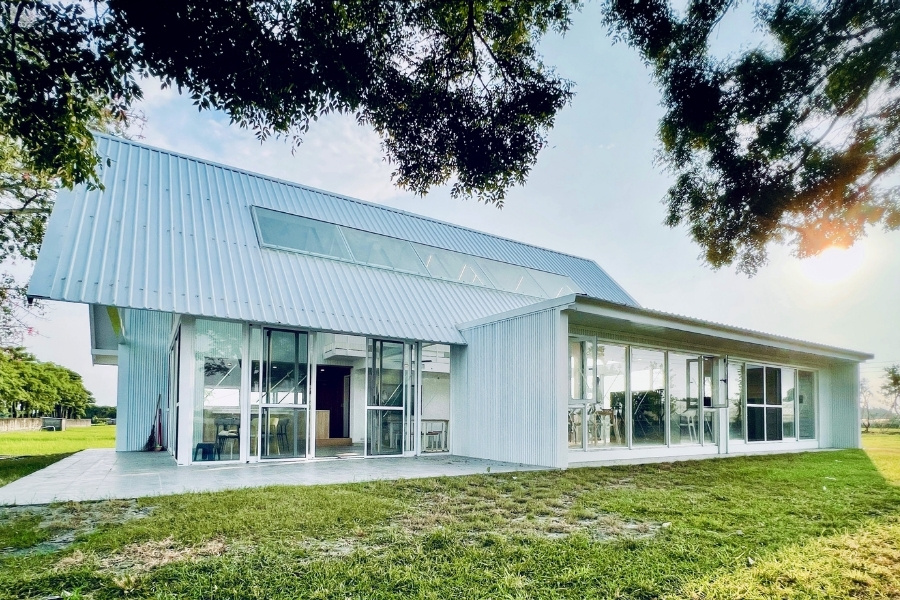
The School of Architecture at Feng Chia University received a Golden Pin Design Award for the “Ma‑Cu Little Library,” transforming idle spaces into learning communities and demonstrating architecture as a warm practice of social care.
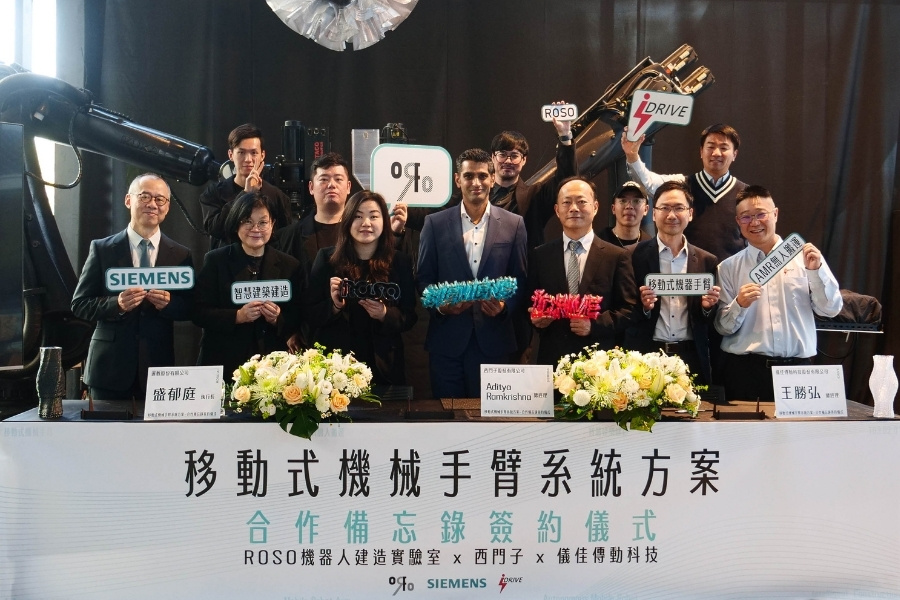
Vice President Shwu‑Ting Lee witnesses the implementation of research成果 from the School of Architecture. A startup spin‑off under the ROSO Robotic Construction Laboratory, “Logic Numbers,” signed a memorandum of cooperation with Siemens and Yijia Transmission, showcasing Feng Chia University’s tangible progress in advancing smart construction.
As Vice President Lee remarked upon receiving the honor, “Wearing the Fellow’s sash lightly means bearing responsibility with greater care and foresight.” She firmly believes that architecture is not merely about constructing spaces, but about shaping society and embracing public responsibility for the future. Moving forward, Feng Chia University will continue to work alongside Vice President Lee, guided by this shared sense of mission and care for the land, to build more promising possibilities for Taiwan through professional expertise and concrete action.
Share: