

December Congee, Tea & Private Cuisine — Ying‑Hao Liao, Founder and Brand Director
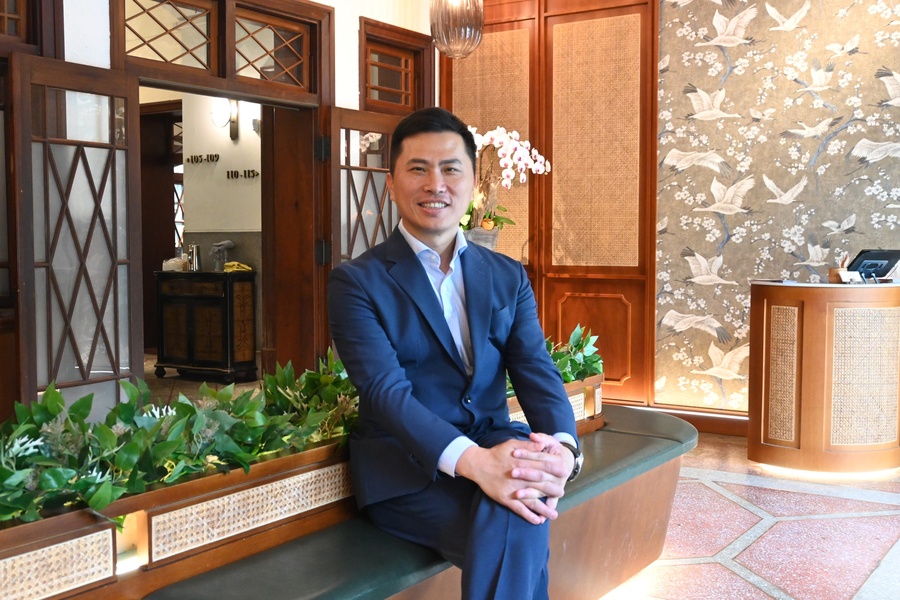
Ying‑Hao Liao, Founder and Brand Director of December Congee · Tea · Private Cuisine.
After graduating from high school, Ying‑Hao Liao completed his mandatory military service. Upon discharge, he took on various labor‑intensive and sales jobs to make a living. Recognizing the need for long‑term development, he chose to retake entrance exams and enrolled in the Department of Business Administration at Providence University. Before the semester began, he worked part‑time at a tea shop, where he first experienced the fast‑paced rhythm of the food and beverage industry—and, for the first time, discovered a genuine passion for the work. With a strong learning ability and quick reflexes, he quickly found himself at ease on the floor.
During his university years, Liao attended classes by day and worked late into the night, constantly thinking about how to sustain his livelihood. A turning point came when he joined Shui Wu Chuan, a well‑known restaurant brand in Taichung. Starting as a full‑time evening‑shift staff member, his keen attitude and sharp observational skills enabled him to rise rapidly to the position of store manager, participating in multiple store launches and expansion projects. “It felt as natural as breathing,” he recalled. “The moment I stepped into a restaurant, I instinctively knew how the operation should run.” This combination of talent and dedication made him one of the most trusted pillars of the business.
At December Congee · Tea · Private Cuisine, the signature clay‑pot congee is prepared by adding uncooked rice directly into the pot and cooking each order from scratch. The chef carefully controls the heat, adds ingredients in sequence, and finishes the dish using the residual warmth of the clay pot, resulting in congee that is rich yet pure, with clearly layered flavors. As his business expanded, Liao went on to develop multiple dining brands, each with a distinct style tailored to different regions and customer segments. Placing every brand in the right location and serving the right audience has become the practical cornerstone of his long‑term success in the restaurant industry.
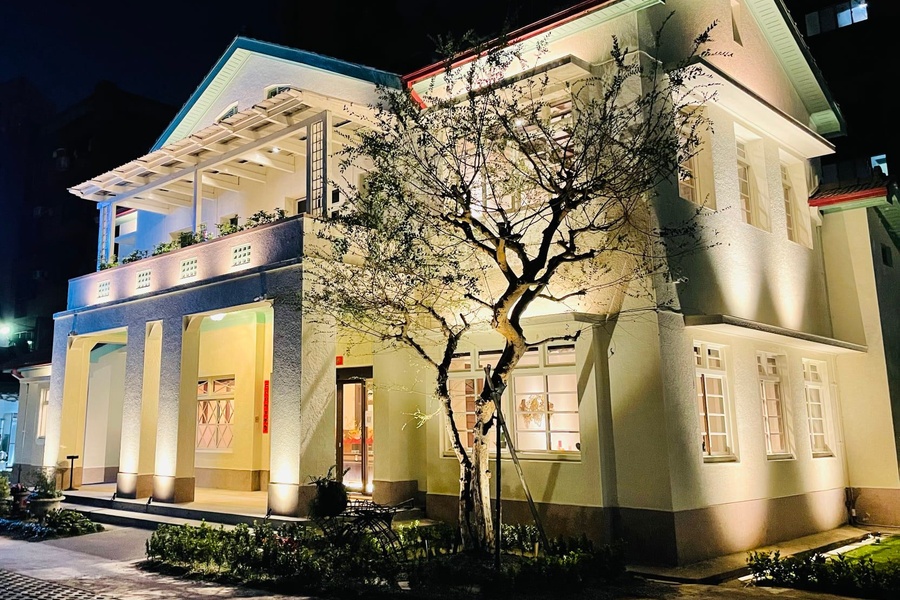
The illuminated evening at the Taichung Guihe location.
Encountering Clay‑Pot Congee: Rekindling the Dream of a Second Rise in the Restaurant Industry
Liao spoke candidly about the investment setback he experienced in his early years. Introduced by a friend, he invested in a nightclub venture, shouldering everything from fundraising to borrowing. Although the business eventually turned profitable, he knew it was not the life he wanted. When he decided to sell his shares, his business partner disappeared after the contract was signed, leaving behind two promissory notes and debts exceeding NT$10 million. “I was 28 that year,” he recalled with a wry smile. “Being more than ten million dollars in debt, I could only face it on my own.” He even nailed one of the notes to the wall of his home—a reminder that remains to this day.
Determined to repay the debt as quickly as possible, Liao was recruited by overseas restaurant groups, working successively in the United States, Mexico, and Honduras, as well as in Xiamen, Wuhan, and Changsha in China. It was during this period that he first encountered clay‑pot congee. Unlike the Cantonese congee commonly found in Taiwan, clay‑pot congee is cooked with uncooked rice added directly to the pot, relying on the natural flavors of the ingredients to support the entire dish. Its distinctive taste planted a seed deep in his mind.
After returning to Taiwan, Liao rejoined his former company Shui Wu Chuan, resuming the role he knew best as the owner’s trusted right‑hand man. As lease contracts at various locations gradually expired and the number of managed stores declined, the idea of starting his own business resurfaced. A casual conversation with a high‑school classmate led him to learn about a more than 50‑year‑old house, tucked away in a quiet yet prime location—an encounter that reignited memories of his first taste of clay‑pot congee overseas and set the stage for a new beginning.
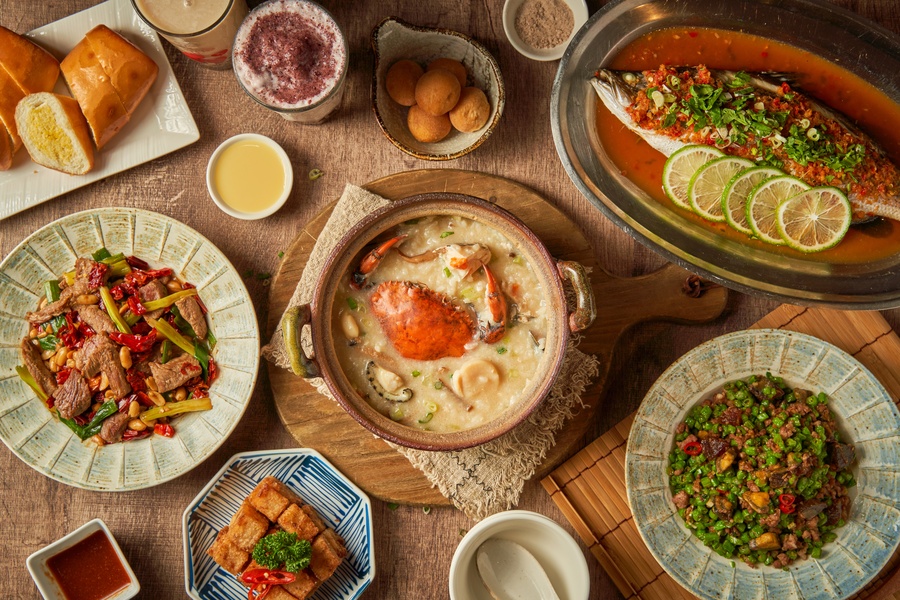
December Congee’s signature clay‑pot congee features seasonal ingredients, served warm and comforting.
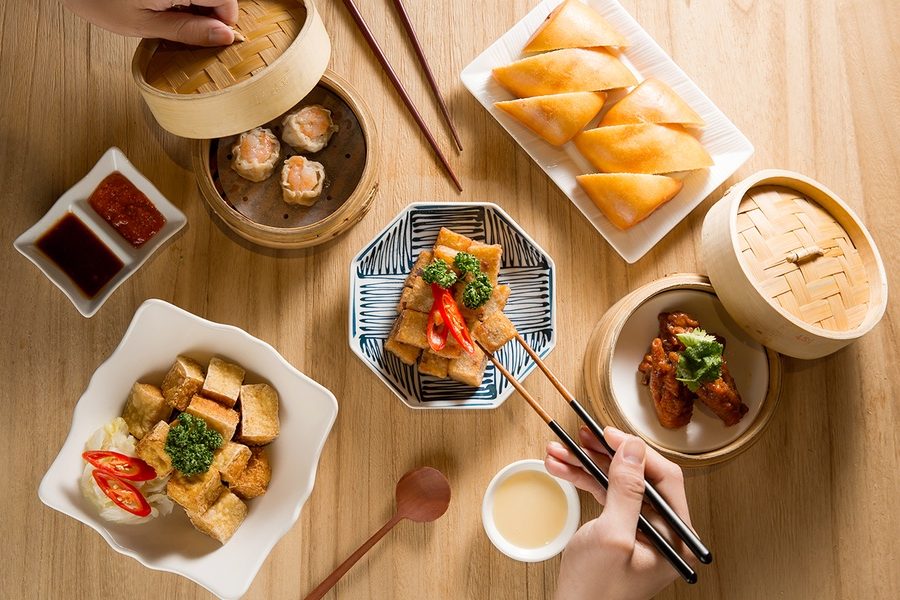
A classic tea and snack pairing for friends.
At Its Best in Season: Clay‑Pot Congee Crafted with Timely, Captivating Flavors
The name December Congee draws inspiration from the rhythm of seasonal ingredients, the imagery of an old residence, and the Palace Museum painting series The Twelve Months, symbolizing time, climate, and foods at their peak. “The best flavor comes when it’s in season,” Liao said in Taiwanese.
Using fully traceable Guanshan Imperial Rice, uncooked grains are added directly to the pot and prepared fresh to order. The chef precisely controls the heat and timing of each ingredient, finishing the dish with the residual warmth of the clay pot to gently round out the flavors. As rice and ingredients meld together, the dual effect of simmering and gentle baking produces a congee that is rich yet pure. The vessel itself—a heat‑resistant clay pot—plays a vital role. Porous on the outside and finely textured within, it conducts heat efficiently, retains warmth steadily, and quietly locks in moisture and freshness. Modest in appearance, it is the true guardian of flavor. Guided by the seasons, December Congee selects ingredients at their prime, presenting Chaozhou‑style congee, house specialties, tea snacks, and beverages that celebrate humble yet refined comfort food—adding a warm, heartfelt note to each season.
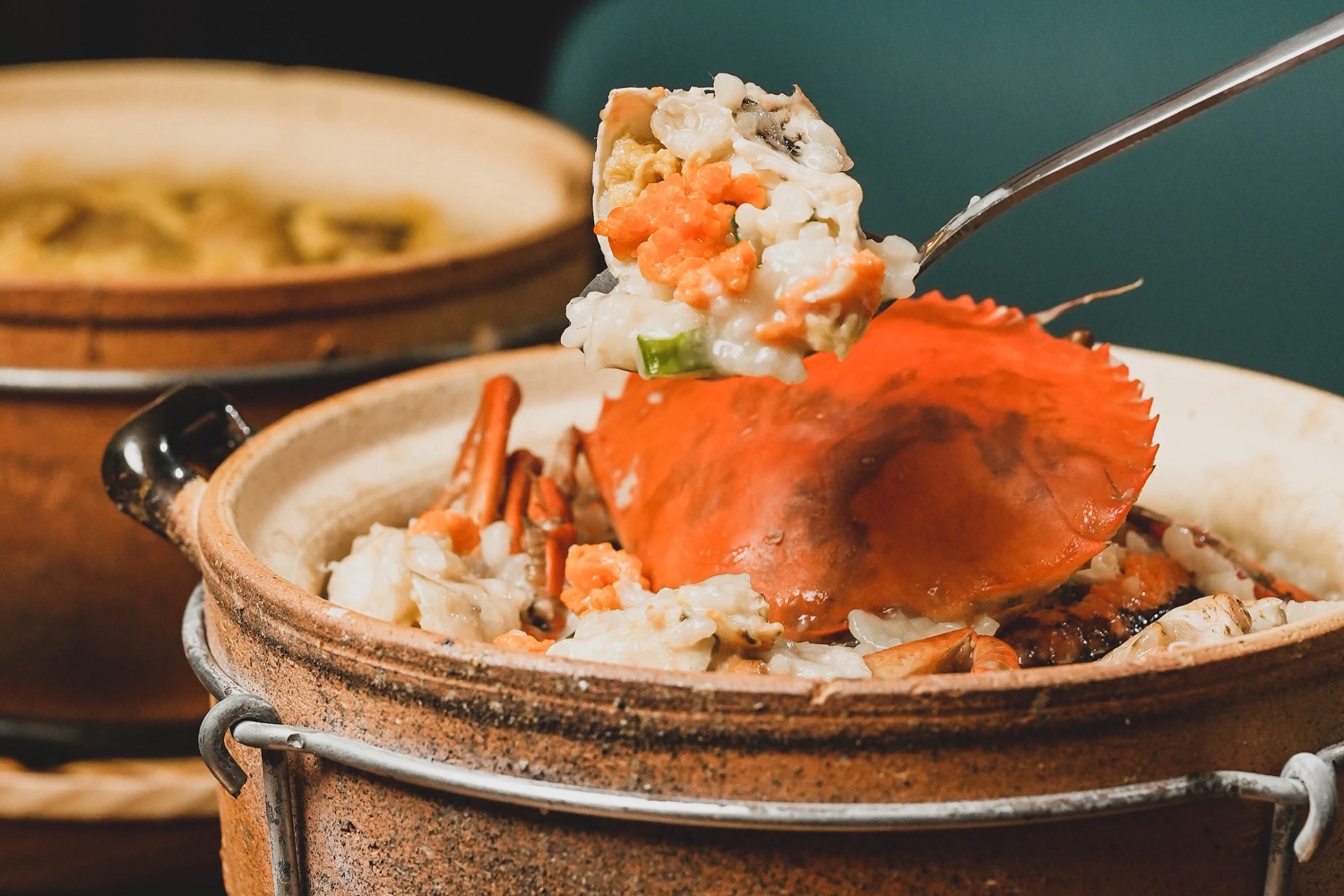
The signature red crab clay‑pot congee at December Congee.
Originally, the team had planned to officially open with a blessing ceremony on December 12, 2015. Unexpectedly, a well‑known food blogger visited ahead of schedule to inquire about the restaurant, prompting the team to begin serving customers earlier than planned. After the article was published, first‑month revenue surpassed NT$600,000, and in the years that followed, annual turnover continued to grow by millions, establishing a steady and sustainable growth trajectory for the brand. The momentum even led to a memorable surprise this May, when NVIDIA founder and CEO Jensen Huang made an unannounced visit to the Taipei Daan location. Liao recalled the moment with a smile: everything happened so suddenly that he was still in Taichung and couldn’t make it to Taipei in time. Both delighted and nervous, he followed the situation through the store’s security cameras while staying in constant contact with the store manager to ensure attentive service—carefully arranging for in‑store guests as well as the media waiting outside. Before leaving, Mr. Huang graciously signed a plate and left his words of encouragement, creating a moment the team will long remember.
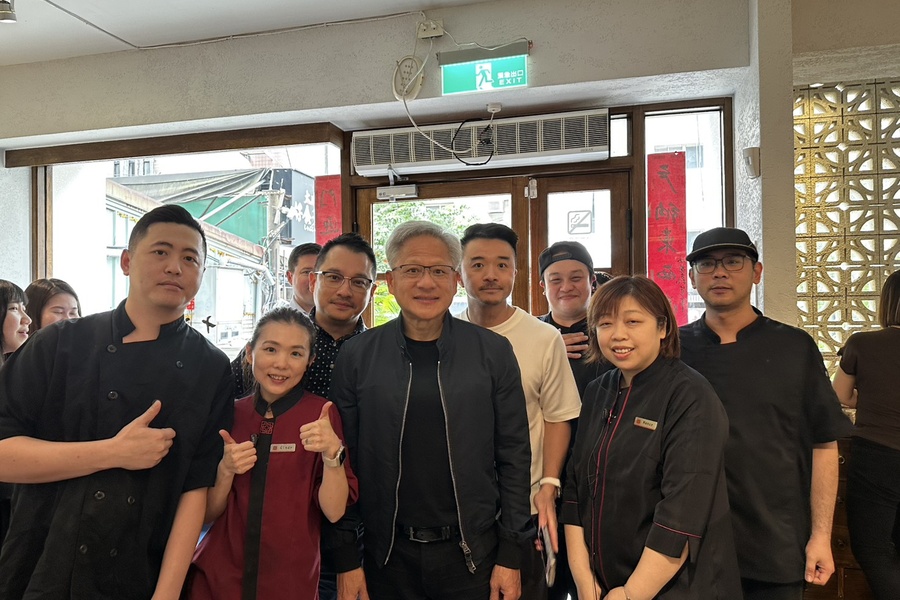
Jensen Huang’s surprise visit to December Congee, Taipei Daan.
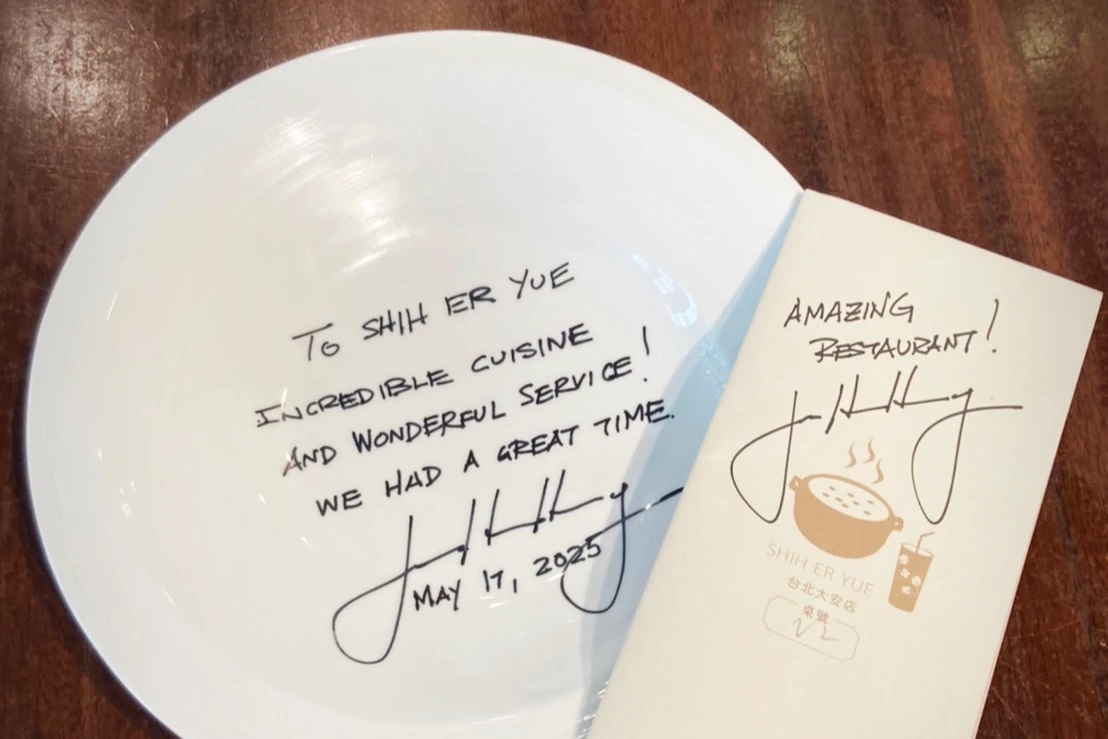
A signed plate with words of encouragement from Jensen Huang.
A Warm Glow in the Late Night: Precision Brand Expansion to Capture Emerging Markets
December Congee operates daily from 11:00 a.m. to 1:00 a.m., offering clay‑pot congee, tea snacks, and hot dishes throughout the day. From lunch and afternoon tea to dinner and late‑night dining, it has become a favored destination for after‑hours gatherings and small get‑togethers. With no service charge, member discounts, and time limits applied only on holidays, this operating model fills a clear gap in the market—like a warm light in the late night, inviting guests to sit comfortably, dine at an unhurried pace, and enjoy conversation.
Managing multiple restaurant brands is not a reckless push for rapid expansion, but the result of long‑term observation and careful calculation. Every decision—from floor‑space planning and kitchen workflow to staffing structures and ingredient costs—is thoroughly analyzed to ensure sustainable returns before any investment is made. Only after December Congee established a stable foothold did additional brands gradually take shape. These include Aomen Hot Pot, Oriental Dragon, Issho Japanese Dining, Kang Ba Tian Izakaya, Shanghai Story, Tang Hiyori Hot Pot, and Mi Charcoal Yakiniku. Through a deliberate brand‑portfolio strategy, each concept is designed to serve different lifestyles and neighborhood demographics—using distinct product structures to meet the needs of diverse communities.
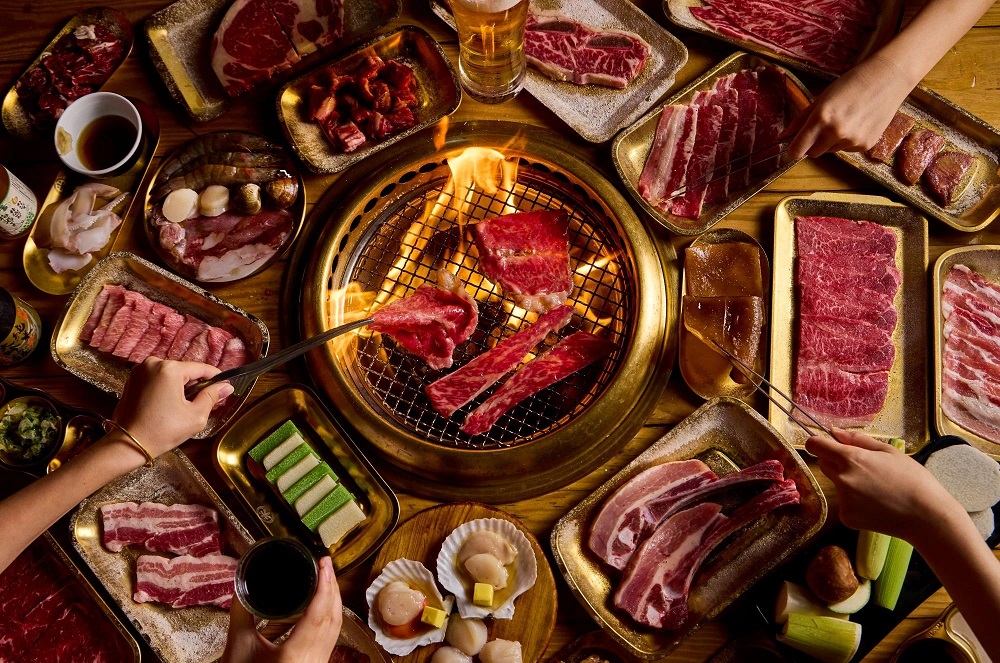
Mi Charcoal Yakiniku.
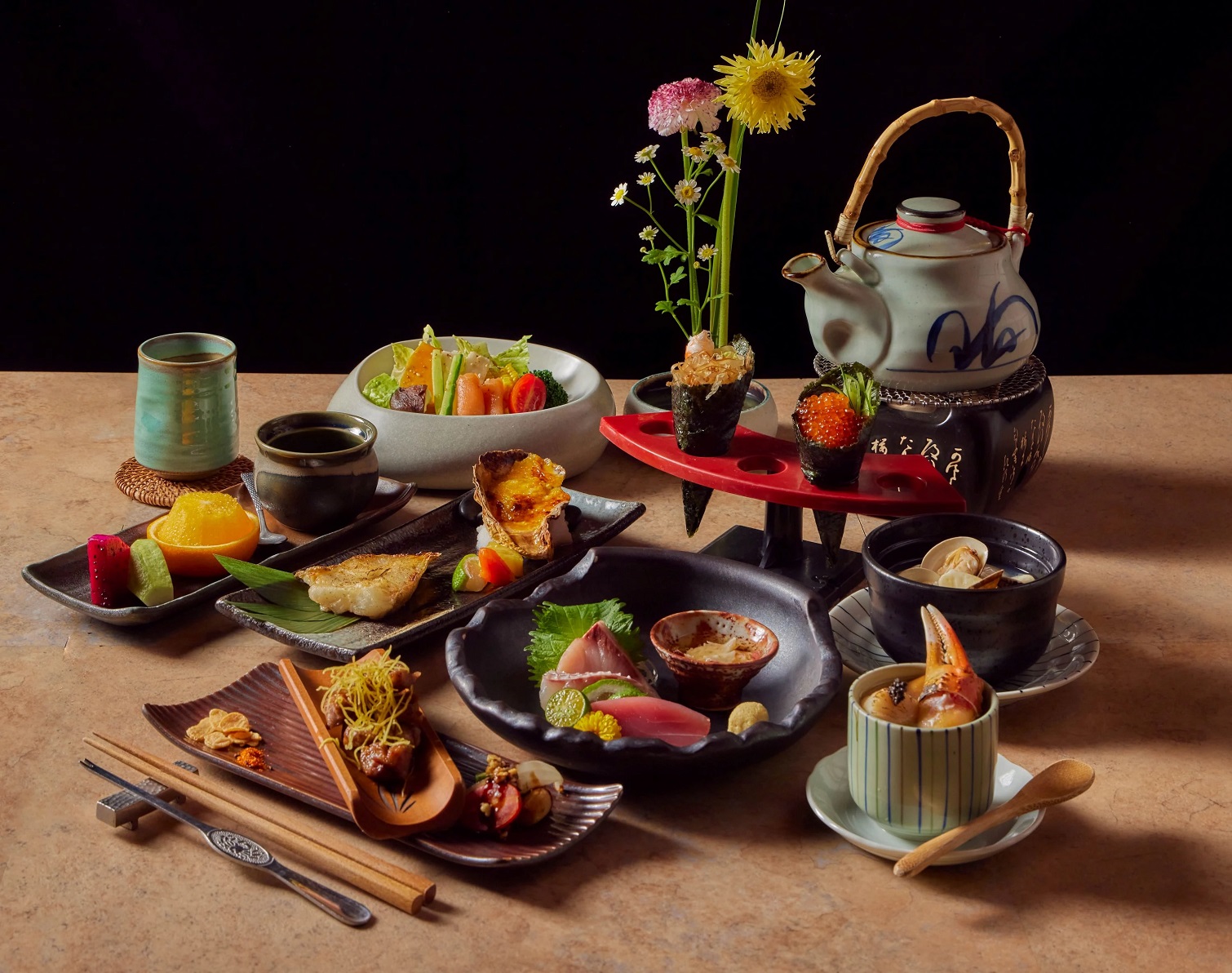
Isshutei Japanese Cuisine.
“This is also the topic of my doctoral dissertation,” Liao explained. “I wanted to understand whether a restaurant group can truly meet the diverse needs of a single area through brand extension.” Rather than pursuing rapid store expansion, he places greater emphasis on the fit between location and brand. For example, the Feng Chia commercial district is driven largely by tourists and younger consumers, so he carefully evaluates which brand concepts are most likely to resonate with the local customer base before making a decision.
In terms of restaurant design, Liao stresses the impact of spatial layout and kitchen workflow on operational efficiency. Only when the kitchen operates smoothly can speed and quality remain consistent; only when the dining area feels open and unconfined can the overall experience be comfortable. Instead of chasing fast growth, he adopts a pragmatic and precise approach—responding thoughtfully to the characteristics of each local market. Ensuring that every brand is in the right place, serving the right audience, he believes, is the key to long‑term success in the restaurant industry.
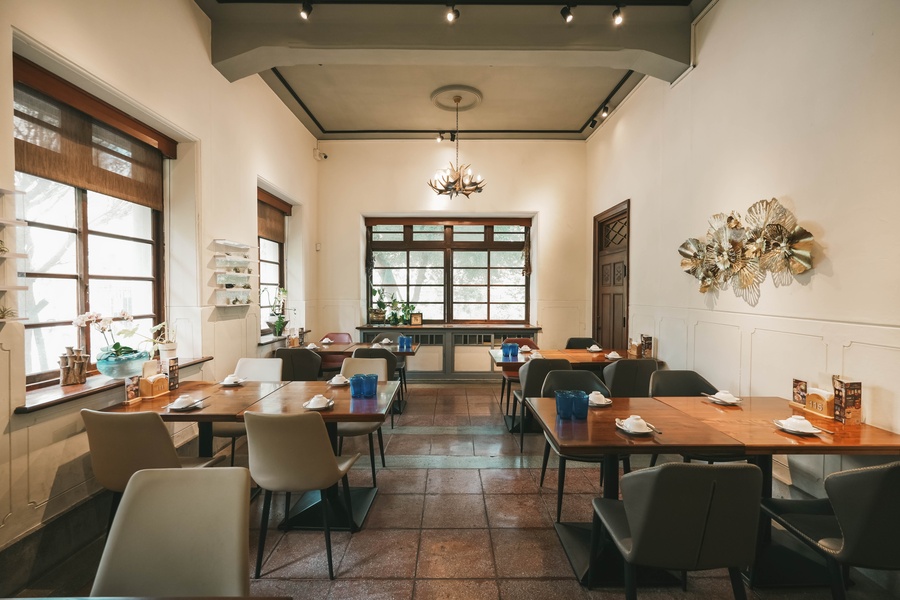
Classic elegance defines the dining atmosphere at the Taichung Guihe location.
Efficiency with Warmth: A Culinary Pathway for Talent Development
Opening each new restaurant requires an investment of tens of millions of New Taiwan dollars—much of it dedicated to people. Store managers for each brand are first trained in Taichung before being assigned elsewhere. As the group has expanded, the strategy has gradually shifted toward localizing store managers, allowing management to respond more closely to market characteristics while strengthening long‑term operational stability at each location.
Today, the December Congee system has entered a mature phase. Its four Taichung locations function as a “chef’s home port”—the core base for product development, training, and system implementation. The executive chef is involved throughout the entire process, from menu innovation and recipe formulation to kitchen workflow design. “Clear workflows and a comfortable working environment help reduce emotional stress and improve consistency in cooking,” he explained. As a result, roughly one‑third of each restaurant’s space is reserved for the kitchen, enabling efficiency and quality to advance in tandem.
Ingredient management is supported by a comprehensive procurement and distribution system. Each branch reports daily demand, allowing headquarters to purchase centrally from partner suppliers and distribute by region—ensuring control over quality, cost, and inventory. In menu development, chefs are given clear direction while retaining 10–20 percent creative freedom. Only when a dish reaches maturity does it become a seasonal offering, such as the recently launched sesame‑oil series or seasonal bamboo shoot dishes. This year marked the group’s first participation in a sesame‑oil cuisine competition, where it placed fourth—led by a core partner who has worked alongside the founder since the very first restaurant and now serves as Executive Head Chef.
Chef training is overseen by the Executive Head Chef and sous chefs, who conduct store visits and evaluations. Internal training sessions are held using culinary classrooms at Central Taiwan University of Science and Technology, strengthening in‑house talent development. On the management side, a structured system classifies leadership roles by performance and professional capability, progressing from trainee store manager (Level C) to store manager (Level B), and ultimately to Level A managers responsible for overseeing multiple locations.
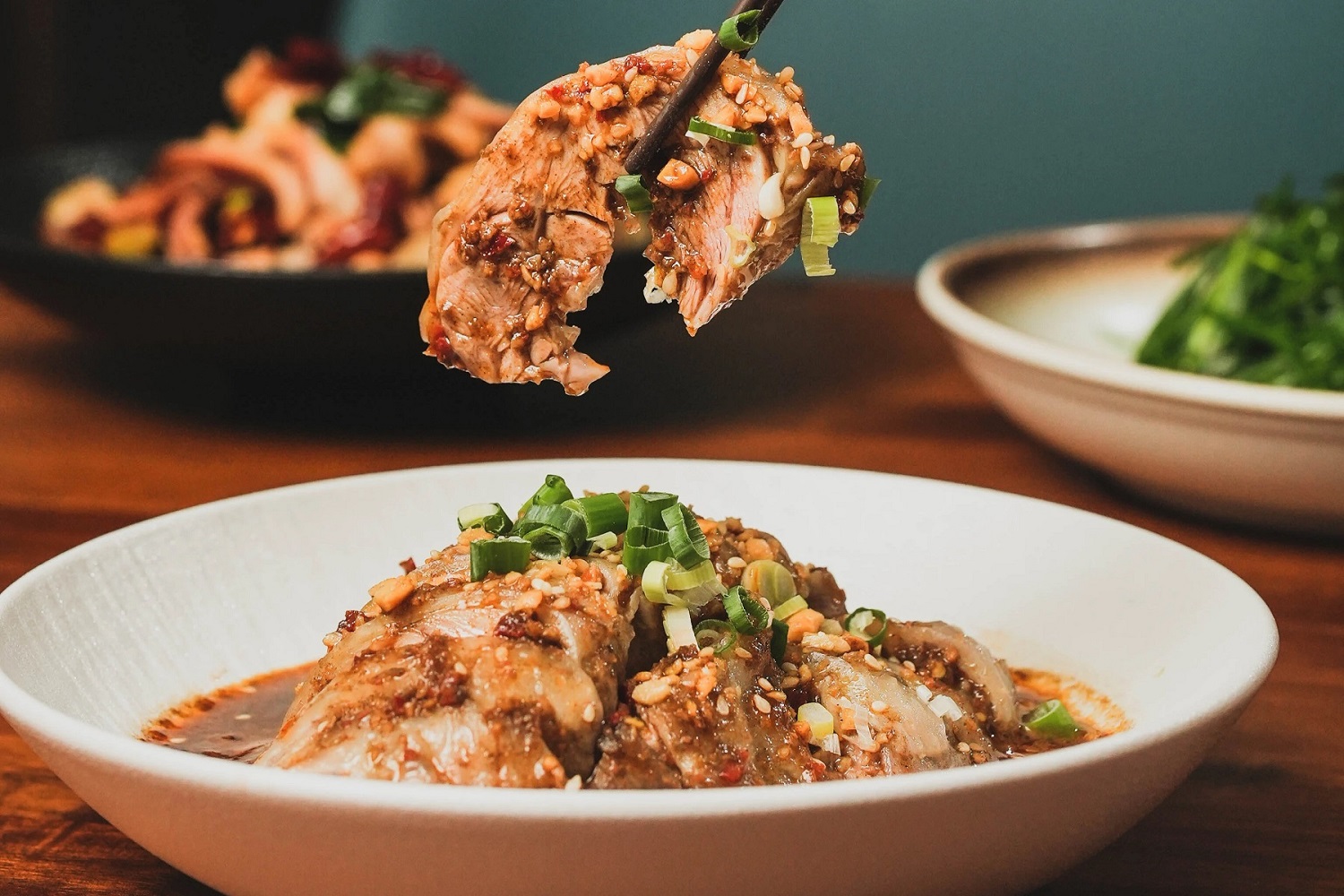
Sichuan‑style mouth‑watering chicken, spicy and aromatic.
Forged by Failure: The Layered Flavors of a Life Slowly Simmered
“Every failure has been essential nourishment for me,” Liao said. In the highly competitive restaurant industry, maintaining innovation and competitiveness is not about sudden flashes of inspiration, but about resilience built over time and a keen sensitivity to market change. To outsiders, Liao appears optimistic and straightforward—almost a natural‑born entrepreneur—but he admitted that he often practices cautious pessimism, believing that anticipating risks is the best way to stay prepared.
Perhaps shaped by growing up attentive to family dynamics, and later by working part‑time throughout his university years while confronting real‑world pressures early on, perseverance has become central to his outlook on life. Managing multiple brands, he believes, ultimately comes down to working with people. Each brand involves a different mix of shareholders; while diverse resources are an advantage, they inevitably require alignment. “Turning resistance into momentum starts with understanding others, assessing resources, and deciding how to integrate them,” he explained. “That way, a brand’s direction isn’t pulled apart—it becomes a driving force forward.”
During the pandemic, Liao became deeply aware of the importance of e‑commerce. He began developing packaged products under the December Congee brand, including chili sauces, shelf‑stable congee, ready‑to‑eat meals, and soup bases, gradually placing them in hypermarkets and negotiating partnerships with convenience store chains. He acknowledged that food e‑commerce is challenging—high costs, low production volumes, and shelf‑life constraints all pose obstacles—but he sees it as an inevitable trend. Looking ahead, he hopes to expand into export markets, opening a new chapter for the brand’s growth beyond Taiwan.
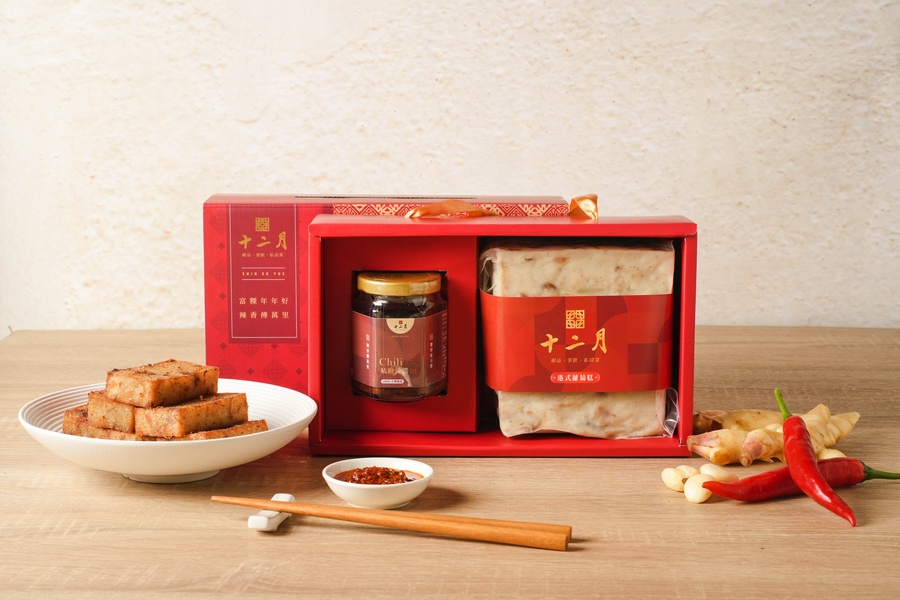
December Congee Radish Cake & Chili Sauce Gift Set.
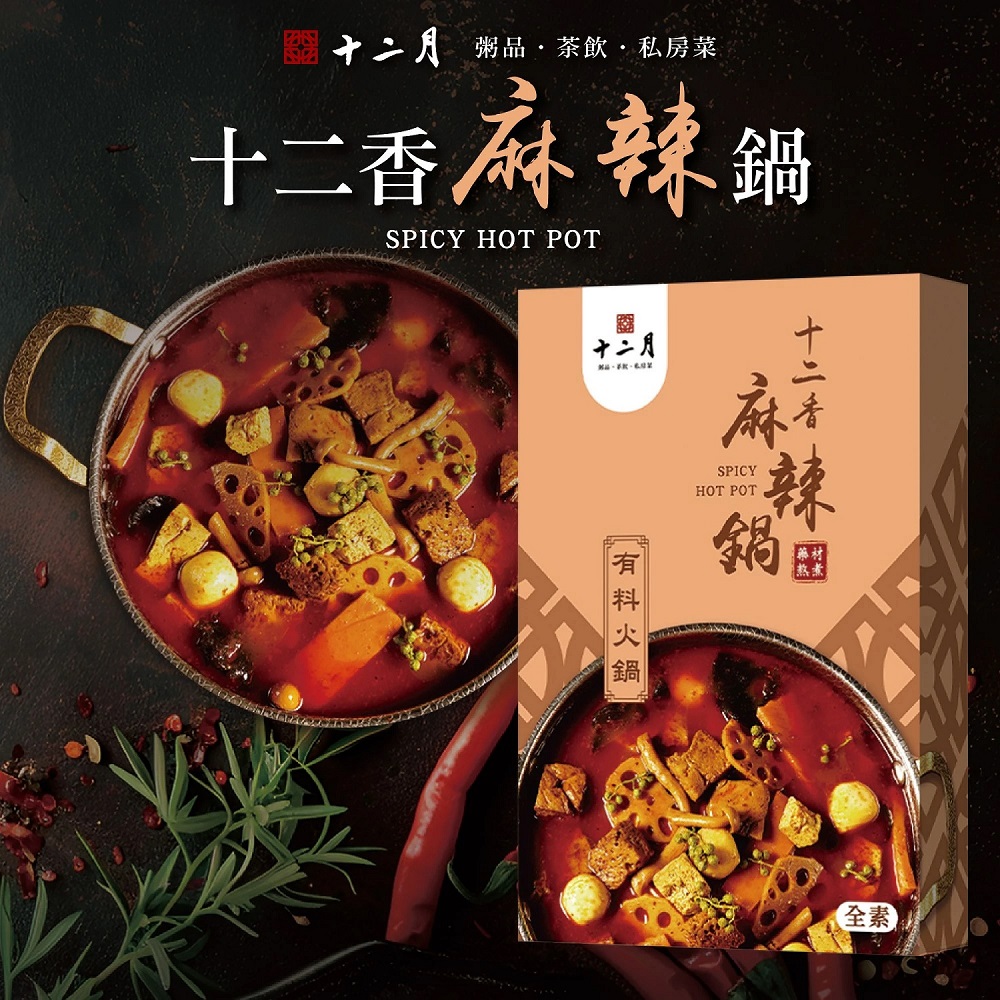
Twelve‑Spice Mala Hot Pot.
Share: