

Building Better Cities through Professional Excellence and Public Good - A Journey of Purpose and Responsibility — Chun-Shan Wu, Chairperson of Rimin Construction
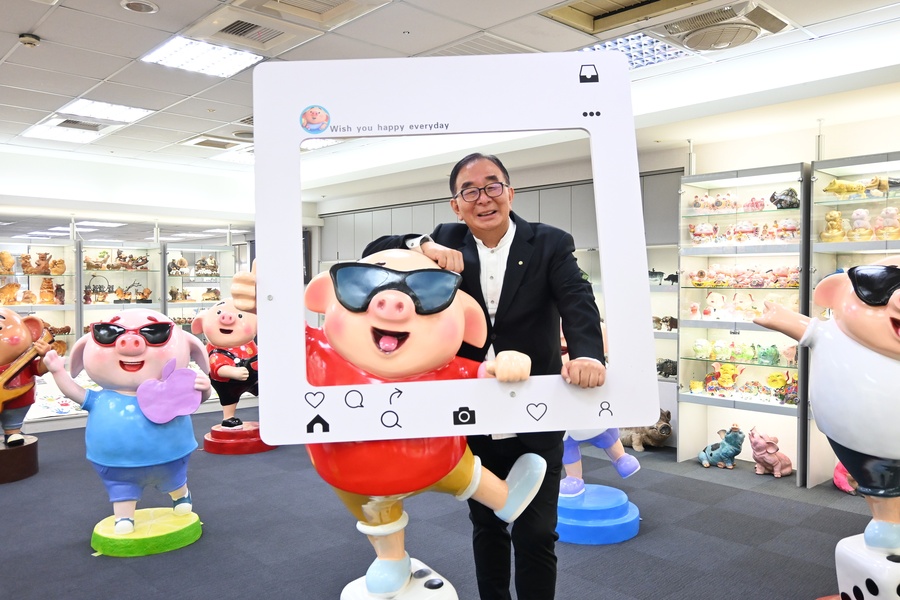
Chun-Shan Wu, Chairperson, Rimin Construction Co., Ltd.
From the iconic skyline of cities across Taiwan—such as the National Taichung Theater, the Southern Branch of the National Palace Museum, and Virtuosi Hall at Feng Chia University—these landmark structures not only showcase architectural aesthetics but also embody the collective memory of urban development. Behind many of these signature projects stands Rimin Construction Co., Ltd.
With more than three decades of entrepreneurial experience, alumnus Chun-Shan Wu has led the company from its early years of steady groundwork to becoming a key partner in major public infrastructure projects and high-tech industrial facilities. Through strategic project selection and process optimization, Rimin Construction has achieved stable and sustainable growth.
Beyond business success, Wu has always upheld his original aspiration as a guiding principle. Over the years, he has given back to society through music and photography, holding nearly 20 photography exhibitions. He has also organized blood donation drives for more than 20 consecutive years, promoted old-tree conservation, and supported the Mobile Bodhisattva Scholarship Program, transforming corporate resources into long-term public welfare initiatives.In 2025, Wu donated NT$200 million to support the revitalization of the former North District Meat Market in Taichung City, transforming it into a cultural and arts hub themed around pigs, injecting new cultural imagination into the city.
At the same time, Wu co-founded the noodle brand Chun Ban Mian with his FCU EMBA classmate Kuo-Cheng Peng. The brand has successfully entered international markets and was selected for the “Best Instant Noodles in Asia” list by Wirecutter, a product review platform under The New York Times.Looking back on his journey, Wu firmly believes that business and public good, personal achievement and social impact, can advance side by side—leading a life that is both fulfilling and radiant.
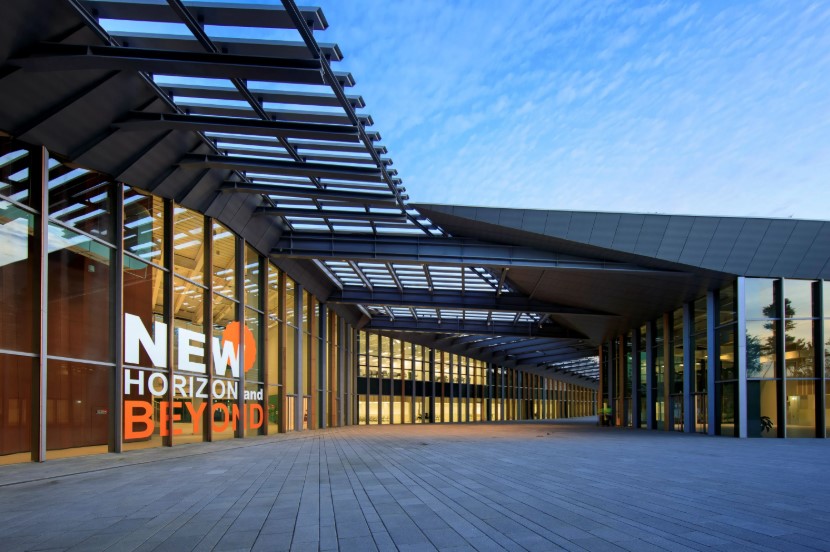
Virtuosi Hall Plaza, Feng Chia University. (Photo courtesy of Feng Chia University)
Master Builders of Landmark Projects: Experts in Shaping Better Cities
Founded in 1994, Rimin Construction Co., Ltd. Faced significant challenges in its early years due to limited industry connections and brand recognition. Many of the projects the company undertook at the time were financially unstable, making operations particularly demanding. Reflecting on that period, **Chun-Shan Wu** recalled that a major turning point came around the company’s fifth year, following the 1999 921 Earthquake.“At the time, there was strong demand for schools, factory facilities, and large retail complexes. We decided to transform our strategy and focus exclusively on projects with stable cash flow and clearly defined responsibilities,” Wu explained. This strategic shift allowed the company to gradually gain a foothold, concentrating its development in central Taiwan—south of Hsinchu and north of Chiayi.
The project that truly elevated Rimin Construction’s brand visibility was the **National Taichung Theater**, which had failed to attract bidders five times due to its high level of complexity and risk. While many large construction firms hesitated, Rimin Construction recognized the project as an opportunity to build expertise.“At the time, we estimated a loss of NT$200 million,” Wu said candidly. “But if future projects were going to be this challenging, someone had to take the first step.”That decision pushed the team to tackle advanced construction methods and technologies, resulting in the accumulation of numerous patents. It also attracted collaboration opportunities with major corporations, from **Fubon Group** and **CTBC Financial Holding** to later partnerships with global technology leaders such as **TSMC** and **Delta Electronics**, marking Rimin Construction’s entry into the high-end construction sector.
Over years of steady effort, Rimin Construction has earned the nickname “the terminator of failed bids.” Wu, however, prefers a different description: “We are builders of better cities.” The structures completed by the construction industry are not only urban symbols but also vital infrastructure supporting industrial development, leaving cities with enduring value.In recent years, both revenue and workforce size at Rimin Construction have grown significantly. From 402 employees and NT$8.15 billion in revenue in 2013, the company expanded to 752 employees and NT$21.89 billion in revenue by 2024—demonstrating a successful transition from handling numerous smaller projects to undertaking large-scale, highly complex engineering works.
To meet the demands of increasingly sophisticated construction techniques, Rimin Construction places strong emphasis on knowledge retention and sharing. When faced with specialized construction methods or critical technologies, on-site practices are systematically documented and transformed into shared learning materials, enabling team members who were not directly involved in a project to learn from the experience.
Technology also plays a key role in enhancing efficiency. From Building Information Modeling (BIM) collaboration and AI-assisted analysis to the use of drones for reducing risks during high-altitude inspections, modern tools have improved construction quality, enhanced workplace safety, and enabled more precise project management.“Advanced tools help us avoid unnecessary detours,” Wu noted. “The more refined our techniques become, the more capable we are of taking on even more challenging projects.”
To support continuous growth, the company has established multi-level communication platforms, including real-time reporting systems, cross-departmental knowledge sharing, and executive meetings that frontline employees are invited to observe and contribute to. This transparent and open culture allows experience to accumulate vertically and spread horizontally, gradually shaping a mentorship-driven organizational DNA. Wu emphasized that these achievements are not the result of a single breakthrough, but rather the accumulation of countless daily improvements—progress forged through constant adjustment, reflection, and forward momentum.
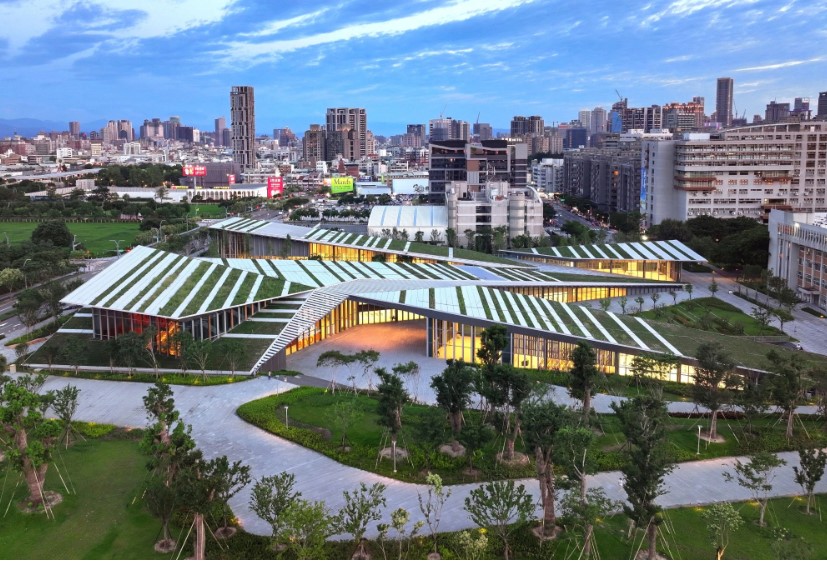
Virtuosi Hall, Feng Chia University. (Photo courtesy of Feng Chia University)
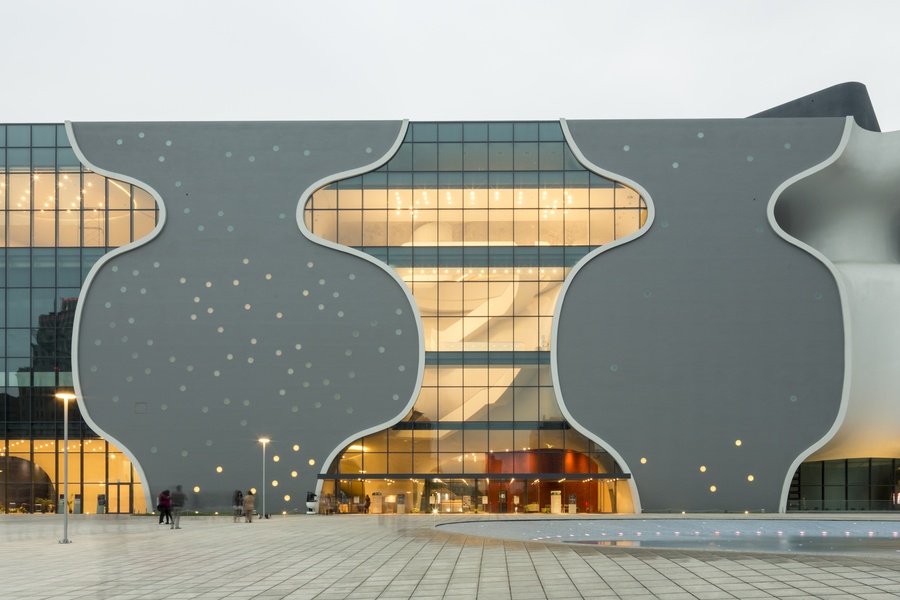
Signature Project of Rimin Construction: National Taichung Theater.
A Taste of Home That Goes Global: Chun Ban Mian on the International Stage
After joining the FCU EMBA Class 103 and pursuing a Ph.D. Program for Infrastructure Planning and Engineering at Feng Chia University, Wu found his greatest takeaway to be “learning that inspires deeper thinking, and the powerful synergy created by networks built on trust.” Through alumni connections, Wu was introduced to The Export-Import Bank of China—a collaboration that significantly improved Rimin Construction’s financial flexibility. This trust-based partnership, he noted, stemmed directly from the strong alumni network fostered by Feng Chia University.
Those connections also sparked new entrepreneurial opportunities. Together with EMBA classmate Kuo-Cheng Peng, Wu co-founded the food brand Chun Ban Mian. From brand naming and packaging design to the expansion of a second production facility, each step was carefully planned and executed.
For Peng, Chun Ban Mian represents more than a product—it is the embodiment of a life choice and personal values. Having spent years in the Japanese financial sector, Peng was accustomed to navigating diverse professional roles. Recognizing this adaptability, Wu invited him to serve as General Manager of the brand.“After several conversations with Chairman Wu, he encouraged me to explore a completely different industry while I was still young,” Peng shared. “I’m deeply grateful for the strong support and resources he provided behind the scenes.”
Starting from scratch meant facing challenges unfamiliar to Peng’s previous career—from brand development and factory operations to production processes, capital management, and market risks. Early growth was slow, with limited orders and unclear distribution channels. Peng chose to pursue differentiation and long-term brand building, applying his international business experience to elevate visual identity, packaging, and quality standards. After extensive discussion, the team embraced the name “Chun,” conveying freshness and renewal. The slogan, “Chun Ban Mian—miss it if you don’t eat it,” helped the brand stand out on store shelves. While visual identity draws initial attention, Peng emphasized that lasting success ultimately depends on product quality.
That commitment paid off. In 2025, Chun Ban Mian was selected for *Wirecutter*’s “Best Instant Noodles in Asia” list. “We were virtually unknown,” Peng said. “Being recognized by international media in such a competitive market is truly remarkable.” The honor not only affirmed product quality but also helped introduce Taiwanese brands to a broader global audience.
Wu has always emphasized that integrity is a non-negotiable principle at Chun Ban Mian. In the food industry, where health and safety are paramount, profit can never come at the expense of quality.“I told Kuo-Cheng that slower profit growth is acceptable,” Wu recalled, “but food safety is not something we ever compromise on.” From production processes and ingredient sourcing to traceability, Chun Ban Mian prioritizes transparency and consumer trust. The brand has gradually expanded into markets across Japan, Australia, New Zealand, and the United States, offering a diverse range of products—from dry noodles and soup noodles to beef noodle kits, sauces, and gift sets. Wu believes that “Chun” symbolizes new beginnings, hope, and continuity. His aspiration is for Chun Ban Mian to become not just a temporary bestseller, but a lasting Taiwanese food brand remembered worldwide.
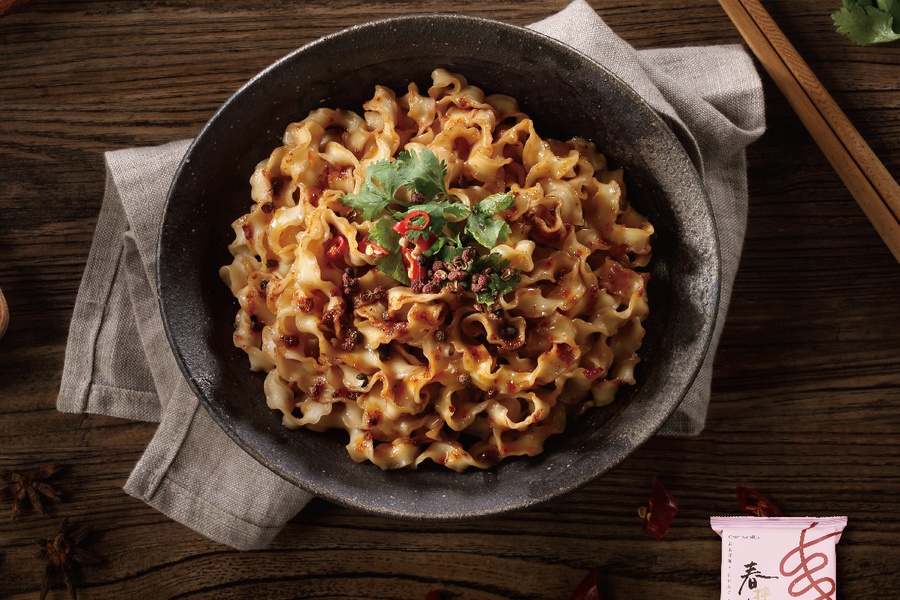
Chun Ban Mian – Spicy Pepper Sesame Noodles, featuring a rich aroma and chewy texture.
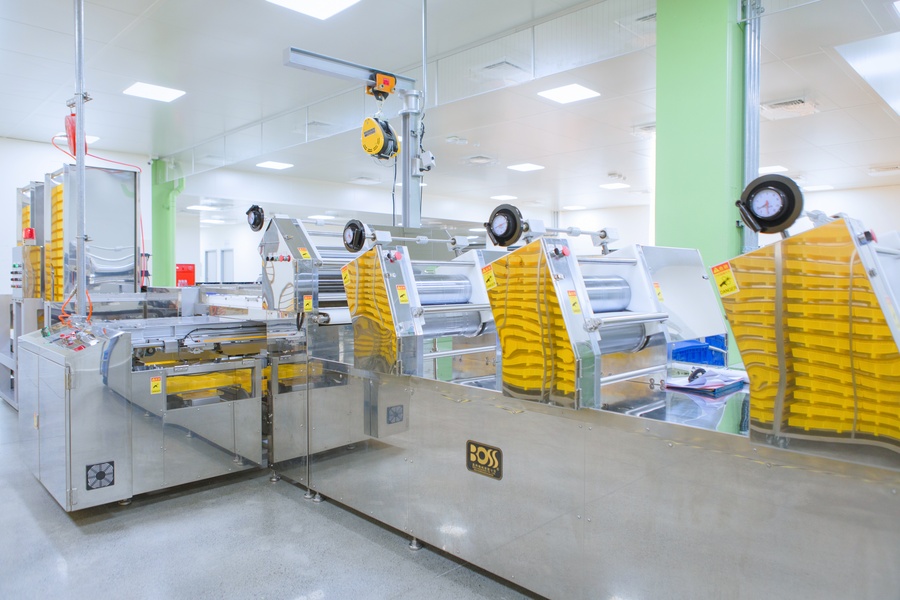
Inside the Chun Ban Mian production facility.
A Journey of Purpose: Carrying Responsibility, Singing, Moving Forward, and Cultivating Life
Widely recognized for its contributions to both the construction industry and public welfare, Rimin Construction embodies Wu’s philosophy that success is never an individual achievement alone. “Life is like a journey of carrying a heavy load over a long distance,” Wu reflected. “What we’ve achieved is the result of support from shareholders, the dedication of our team, and years of encouragement from mentors and friends.”
Born into a farming family in Yuanlin, Changhua, Wu grew up with limited resources as the third of six siblings. He completed his education through part-time work and entered the workforce early to support his family, accumulating hands-on experience across multiple roles—from factory laborer and truck assistant to architectural firm assistant and construction site supervisor.
Despite setbacks, financial hardship, and professional challenges, Wu persevered. Over the years, his passion for singing and photography became vehicles for social contribution. Proceeds from exhibitions and performances have been donated in full, allowing art to serve as a bridge for goodwill. In collaboration with Pan-Hsing Construction, Wu has hosted photography exhibitions such as “Five Nations, Ten Colors” in community spaces, bringing art into everyday life. Through photography and writing, he has distilled decades of travel and work experiences into a deeper understanding of aesthetics and life itself.
These creative endeavors are not intended for personal collection, but rather transformed into a force for public good. Whether through charity sales of photography or proceeds from concerts, all income is donated in full, with the hope that art can serve as a medium for kindness. “Life is meant to be sung, lived, and steadily cultivated. Life is about sharing, and about one life influencing another.” While shouldering responsibility, he also chooses to live each day with purpose and vitality. Kindness does not need to be proclaimed; as long as it is sustained, it will eventually illuminate others. “Life influencing life” is not merely a slogan, but a reality enacted within communities. Business management, artistic creation, and public service are inherently interconnected. He firmly believes that when the starting point is goodwill, enterprises—after creating value and achieving steady growth—should give back to society. “I hope that because of Rimin’s presence, this society becomes a little more kind and beautiful.”
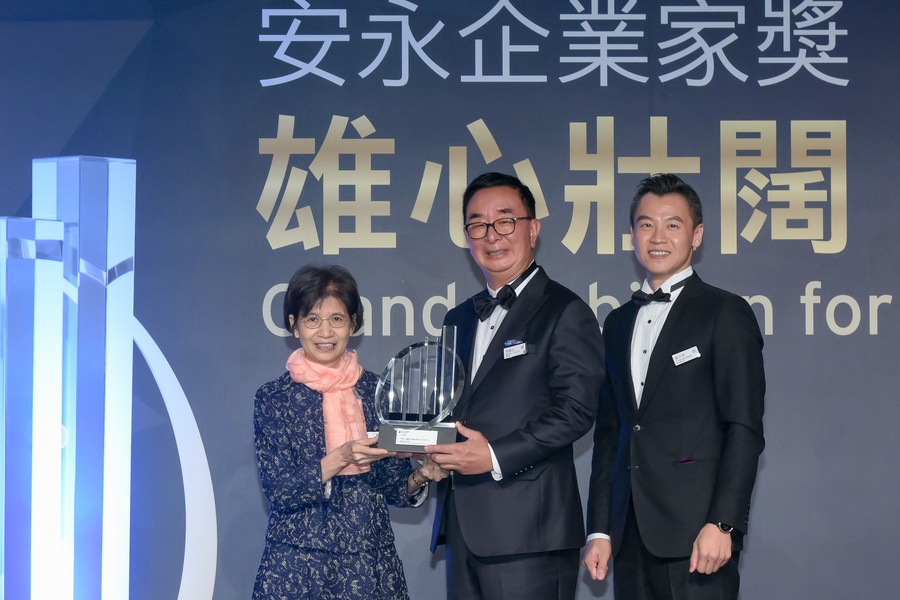
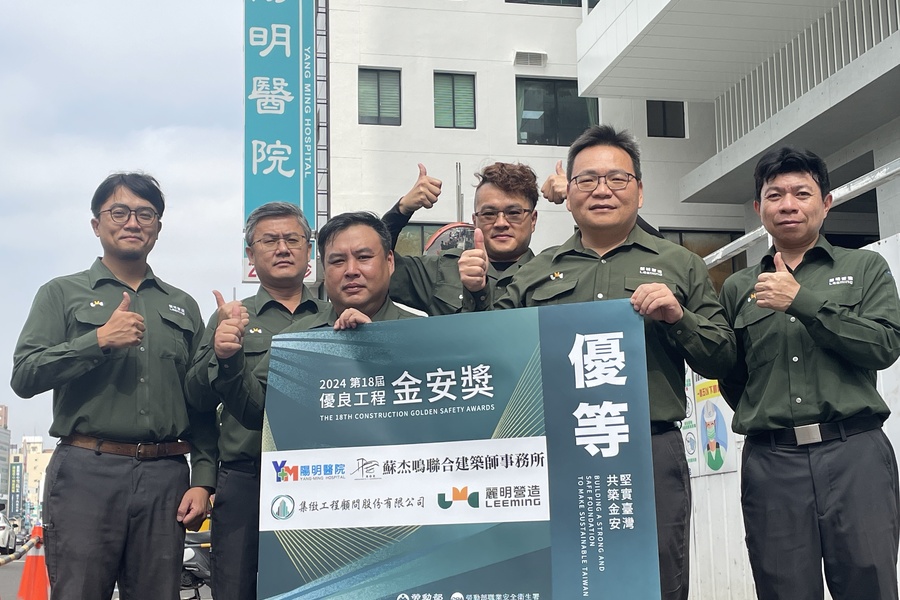
Rimin Construction honored with both the Golden Safety Award and the Taiwan Corporate Sustainability Award in 2025.
A Philosophy of Harmony: Strengthening Teams from Within, Where Unity Brings Prosperity
Though an accomplished artist, Wu has never lost his childlike curiosity. Stepping into his self-curated “Pig Museum,” which houses a collection of more than 10,000 pig figurines and dolls, visitors encounter not only a sense of playfulness and delight, but also a reflection of his long-held philosophy on life and leadership.“Look at the pig’s form—rounded and endearing,” Wu explains. “It symbolizes completeness and prosperity, and represents a way of life that avoids conflict and values harmony.” Across family life, culture, and the economy, the image of the pig has long been closely intertwined with human society, serving as a metaphor through which Wu views both corporate management and the role of enterprise in society.
In 2025, Wu combined his personal passion with public service by donating NT$200 million to support the revitalization of the former North District Meat Market Auction Hall in Taichung City, transforming it into a pig-themed cultural and arts hub. The project includes a small theater and themed exhibition spaces, operated by the city’s Cultural Affairs Bureau, and is designed to integrate culture, education, and public engagement. This initiative represents a concrete realization of Wu’s belief in “giving back to society what one has gained,” transforming personal interests into a force for the benefit of the city and the wider community.
Addressing the growing corporate focus on ESG issues, Wu acknowledges that while Rimin Construction is not a publicly listed company, sustainability has long been embedded in its organizational culture. Since its founding, he has upheld the principle that “a company is a family, and harmony leads to success,” translating responsibility toward people and society into everyday practices that become part of employees’ daily lives. Rimin Construction fosters positive internal culture through morning reading sessions, encouraging kind words among colleagues, and internal publications that build collective morale. At the same time, the company has established a charitable contribution mechanism that enables employees to participate in public welfare through small monthly donations. Family-friendly policies—such as childbirth incentives, profit-sharing programs, and overseas travel subsidies—also address declining birth rates and talent retention, allowing employees to balance stable careers with family life and personal well-being. As Wu puts it, “What a company should do is take good care of its people and handle matters properly—that is simply the right thing to do.”
From organizing blood donation drives for 24 consecutive years, founding an old-tree conservation association, and sustaining the “Mobile Bodhisattva Scholarship Program” for more than two decades—benefiting over 40,000 underprivileged elementary school students—Wu has consistently demonstrated his belief that public good begins with small, consistent actions that gradually accumulate into meaningful social change.In the area of environmental sustainability, he has also led his team in obtaining international certifications related to building carbon footprints, signaling the construction industry’s concrete steps toward low-carbon transformation. Wu emphasizes that sustainability is a long-term endeavor that requires patience and perseverance, and only through sustained effort and continuous improvement can deeper and more lasting value be created for both industry and society.
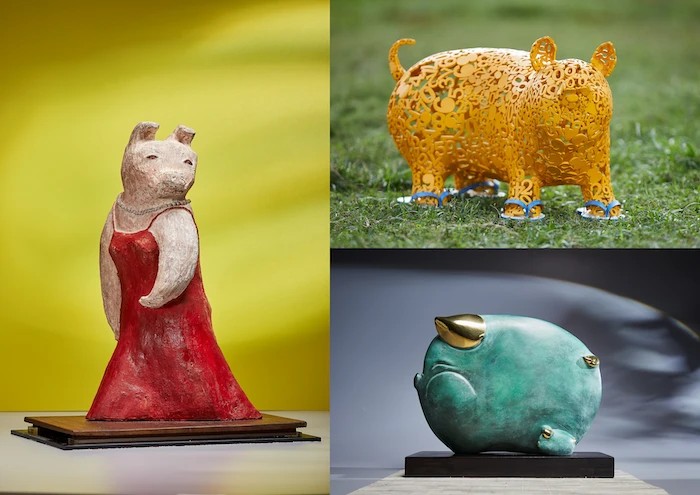
Chun-Shan Wu’s collection of over 10,000 pig figurines.
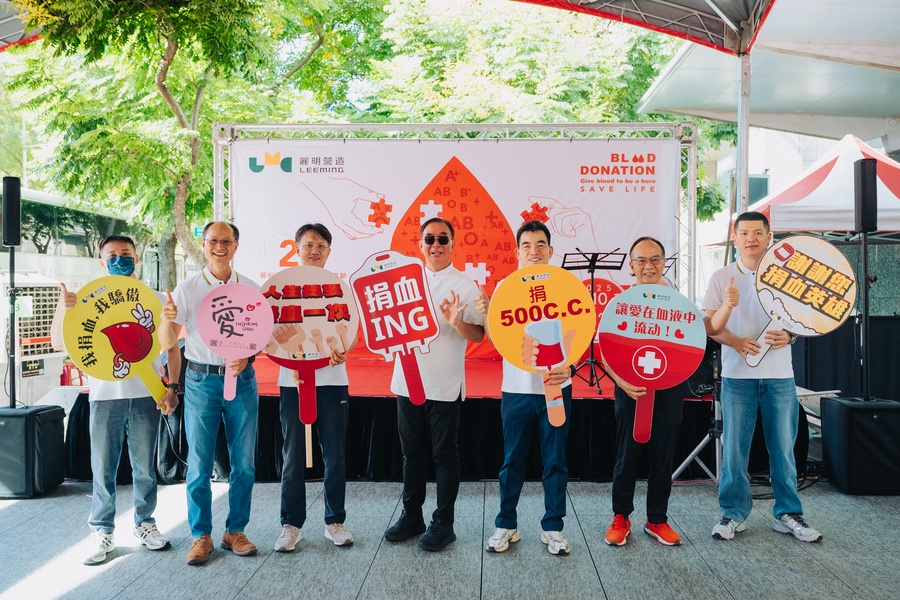
Rimin Construction’s blood donation drive, held continuously for 24 years.
Share: