

Broadening Perspectives: Empathy Beyond Technology - Ya‑Liang Fan, General Manager, Semiconductor Business Group, ZEISS Taiwan to Accelerate Global Collaboration in Semiconductor Engineering
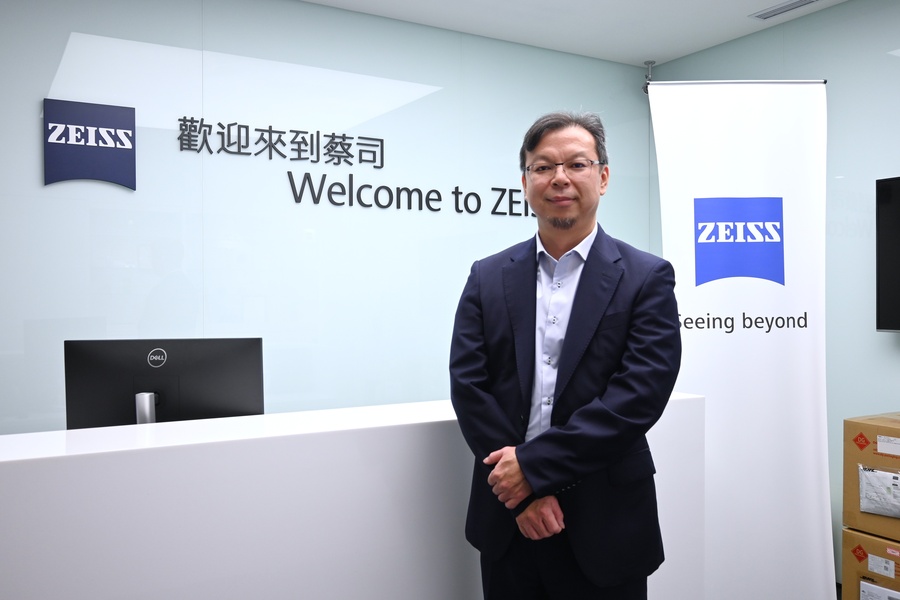
Ya‑Liang Fan, General Manager, Semiconductor Business Group, ZEISS. Taiwan
Nestled in a valley in southern Germany, Oberkochen is a picturesque town of just 8,000 residents—yet it is home to some of the world’s most advanced optical technologies. Guided by the spirit of “Seeing beyond—breaking boundaries and transcending limits,” the ZEISS Group, founded in 1846, has continuously led innovation in optics and precision manufacturing. Its Semiconductor Manufacturing Technology (SMT) business is also a long-term strategic partner of ASML.
With extensive experience spanning the semiconductor supply chain, global markets, and corporate strategy, Ya‑Liang Fan has witnessed Taiwan’s transition from 8‑inch to 12‑inch wafer manufacturing. During his tenure at ASML, he helped grow a new product line’s market share from zero to 70 percent and led teams in expanding operations across China and the Netherlands. These international leadership experiences shaped his conviction that culture and talent are the true foundations of enterprise growth.
After returning to Taiwan in 2023 to assume leadership of ZEISS Taiwan’s Semiconductor Business, Fan has actively promoted engineer exchange programs between Taiwan and Germany to foster cross‑cultural understanding and shared learning. He believes that future competitiveness will depend not only on technology, but on human creativity and empathy—a core dimension of ZEISS’s vision of “Seeing beyond,” where technology connects people and precision and innovation extend to every corner of the world.
A Courageous Turn: Launching a Technology Journey That Connects with the World
Reflecting on his path into the technology industry, Fan shared with a smile that it was not a route he initially set out to pursue. “I originally studied civil engineering, but the experience was challenging and didn’t align with how I imagined my future,” he recalled. As a student, he developed a strong interest in English and joined an English conversation club, planting the idea that he wanted a career connected to the international arena. During his military service, he was assigned to supervise construction at the Tri-Service General Hospital site in Neihu, Taipei—a role that further confirmed civil engineering was not the direction he wished to follow. After taking an aptitude test that suggested strengths in sales and marketing, Fan decided to transfer into the Department of International Trade at Feng Chia University.
Growing up in Hsinchu, he naturally viewed the Hsinchu Science Park as his first destination after graduation. Driven by curiosity and a willingness to take on challenges, he embarked on what would become a more than two-decade journey with the technology industry. “At that time, I was still young and not entirely certain where I was headed,” he said, “but I felt this was the direction worth pursuing.”
His first role was with Hermanm Technology, where he was responsible for introducing equipment from Tokyo Electron (TEL) to customers. Those three years coincided with a pivotal period when Taiwan’s semiconductor industry was transitioning from 8‑inch to 12‑inch wafer manufacturing. Moving from TEL-related projects to working with Hermes Microvision, Fan gained firsthand insight into the intense competition across the global semiconductor supply chain. Early exposure to international leaders such as KLA made him acutely aware of gaps in his professional expertise and global perspective. Many of his clients came from institutions like MIT and Stanford, prompting his decision to pursue an MBA at Lancaster University in the United Kingdom. Upon returning to Taiwan in 2005, Fan joined ASML Taiwan, opening a new chapter closely connected to the global semiconductor industry—one defined by continual learning, international collaboration, and the courage to pivot toward a broader world.
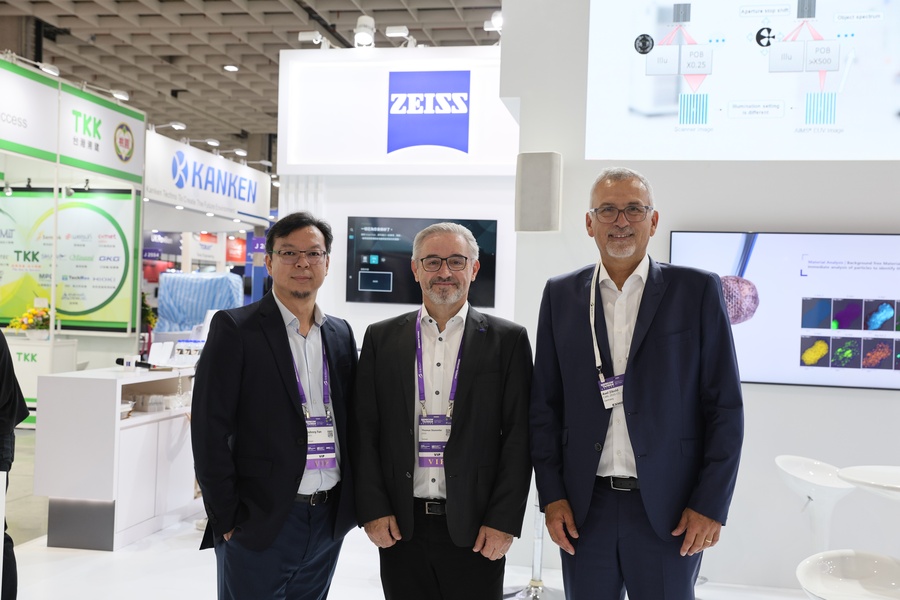
2024 SEMICON Taiwan。
Mindset and Confidence in Client Engagement: From Hands‑On Practice to International Leadership
Joining ASML, the global leader in semiconductor equipment, marked the most pivotal seventeen years of Fan’s career. Reflecting on that period, he noted that his overseas studies brought about the greatest transformation in mindset and self-confidence, helping him build a more comprehensive way of thinking and enabling him to engage international clients with greater clarity and composure. “I often advise young professionals to work first before pursuing an MBA,” he shared. “That way, you have a clearer sense of what you want and how to apply what you learn.”
In the early stages, Fan was responsible for key major clients in Taiwan and took over a metrology equipment product line with almost zero market share. By proactively building customer relationships and deeply understanding client needs, he and his team increased domestic market share to 70 percent within three years, prompting ASML to expand its investment in Taiwan. “A lithography system is essentially the world’s most expensive camera,” he explained. “It precisely transfers circuit patterns layer by layer onto wafers. Beyond lithography, ASML also develops metrology and inspection tools to complete the advanced manufacturing ecosystem.”
In 2015, Fan was assigned to Shanghai, leading his team amid the rapid growth of China’s semiconductor industry. Within just four and a half years, the team expanded from a few hundred to over a thousand members, and business scale grew severalfold. However, as wafer fabs proliferated, the U.S.–China trade conflict erupted, and restrictions on exporting EUV equipment to China abruptly halted the industry’s momentum due to geopolitical tensions.
In 2019, Fan transitioned to ASML’s global headquarters in the Netherlands, settling in Eindhoven to oversee global after-sales marketing for DUV lithography systems. Moving from the industry frontline to a strategic role behind the scenes—and away from constant high pressure—brought new perspective. “The Netherlands taught me to slow down, rediscover life’s rhythm, and better balance work and family,” he reflected. Over his years at ASML, Fan evolved from hands-on execution to strategic leadership, becoming an international technology executive with a holistic understanding of markets and human dynamics.
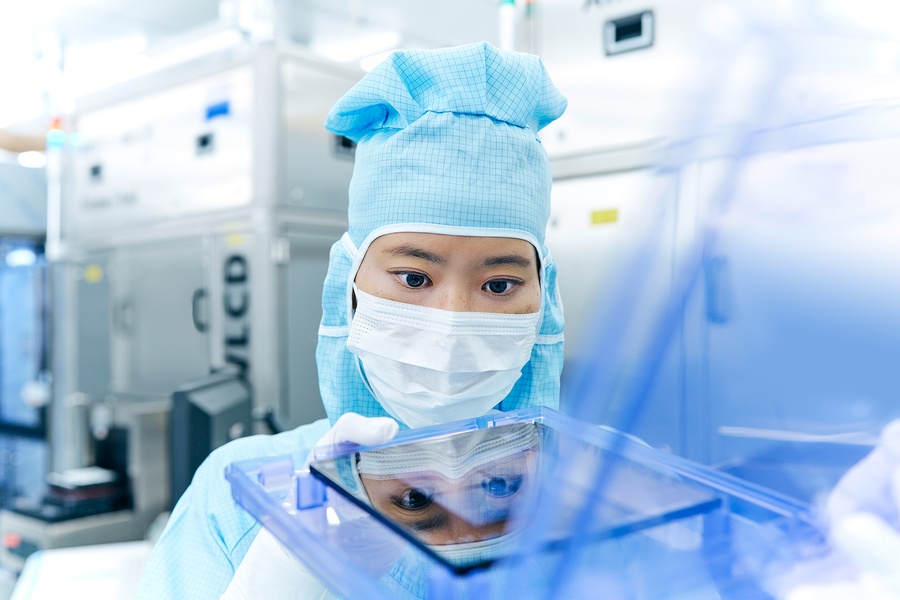
ZEISS semiconductor photomask solutions.
A Legendary Partnership Between Two Industry Giants: Driving Global Innovation in Semiconductor Manufacturing
In 2023, Fan left ASML and returned to Taiwan with his family. Through a timely opportunity, he joined ZEISS Semiconductor Manufacturing Technology, embarking on a new chapter in his career. With a smile, Fan shared that—like many people—his connection with ZEISS began on the consumer side, through optical lenses. “I started wearing ZEISS lenses back in junior high,” he recalled. “My father told me, ‘If you’re going to buy something, buy the best—it lasts longer.’”
Guided by the spirit of “Seeing beyond—breaking boundaries and transcending limits,” ZEISS draws on nearly two centuries of technological heritage to set the global benchmark for optical precision. Fan recalled visiting ZEISS’s semiconductor headquarters in Germany during his time at ASML. “I was truly amazed the first time,” he said. “The world’s most advanced optical lenses are created in a beautiful town of just 8,000 people called Oberkochen.”
Today, the ZEISS Group operates in more than 50 countries with a workforce exceeding 40,000 employees, structured around four major business segments: Vision Care and Consumer Optics (including lenses and optical products), Medical Technology (specializing in surgical microscopes and imaging systems), Semiconductor Manufacturing Technology (covering lithography optics, photomask solutions, and process control), and Microscopy and Industrial Quality Solutions—spanning both everyday life and high‑tech manufacturing.
Among these, ZEISS Semiconductor Manufacturing Technology is the Group’s largest division and a long‑standing strategic partner of ASML. Since delivering its first optical component for semiconductor equipment in 1968, the partnership has grown over 57 years, with deep collaboration in EUV and High‑NA EUV technologies forming one of the key drivers behind modern chipmaking advances. “It’s no exaggeration to say that without ZEISS’s optical modules, there would be no ASML lithography systems—and without lithography systems, there would be no advanced semiconductor processes,” Fan noted. The EUV reflective optics developed by ZEISS—often described as the “heart” of a lithography system—are among the most complex and expensive optical devices ever built. Comprising more than 40,000 components, with just two mirrors weighing several tons, these systems enable over 80 percent of the world’s advanced chips to be manufactured using ASML lithography equipment—underscoring the profound impact of this legendary partnership on global semiconductor process innovation.
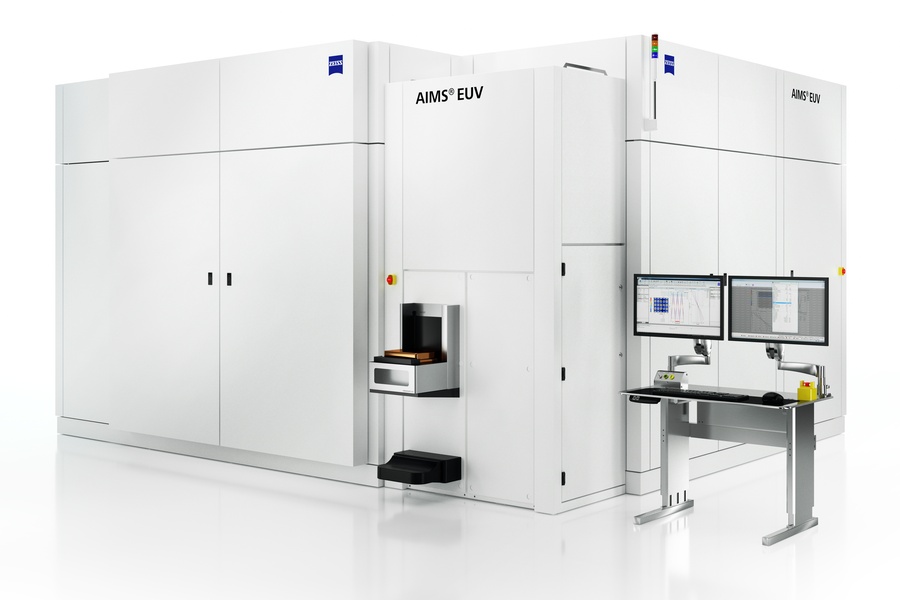
ZEISS AIMS™ EUV system.
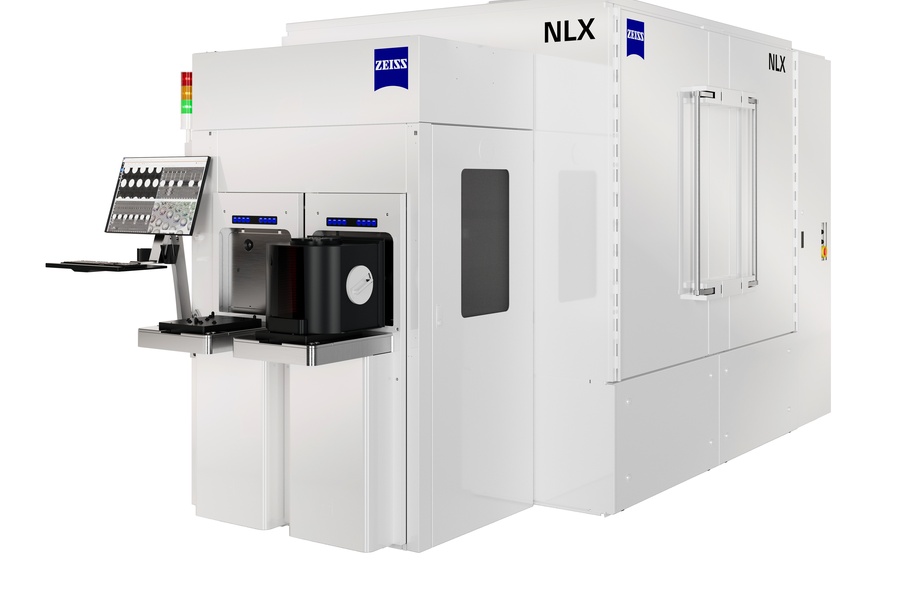
ZEISS NLX.
Breaking into Global Markets: A Mindset Shift to Accelerate Worldwide Team Collaboration
“Historically, ZEISS Semiconductor Manufacturing Technology served primarily as a key supplier to ASML,” Fan explained. “They did not need to face end customers directly—most requirements were communicated through ASML.” In recent years, however, ZEISS Semiconductor has actively developed its own equipment portfolio and customer base, deepened its understanding of market needs, and designed products that better align with customer expectations. This shift represents a significant transformation in mindset—and a pivotal phase of personal growth for Fan himself.
“In the past, we developed technology first and then figured out how to sell it,” he noted. “Today, we start by understanding what customers truly need, and then design products accordingly.” This transition has empowered regional teams with greater autonomy and fostered a more flexible, trust‑based, and international organizational culture. Local teams now feed market insights back to headquarters, proposing innovative product concepts grounded in regional demand. Reflecting this shift, the theme of ZEISS Semiconductor’s senior management meeting in December 2025 was “Internationalization,” underscoring the goal of accelerating global collaboration through deeper understanding of diverse cultures and markets.
Since assuming leadership of ZEISS Taiwan Semiconductor Manufacturing Technology in 2023, Fan has led his team in close alignment with global R&D efforts. He has played a key role in establishing the Hsinchu Innovation Center, Taoyuan Logistics Center, and Tainan Training Base, while actively strengthening collaboration between Taiwan and Germany. He acknowledged that returning to Taiwan has meant re‑entering a demanding and fast‑paced work rhythm, but he remains committed to contributing his extensive international experience to ZEISS Taiwan. More importantly, he sees this phase as an opportunity to pass on knowledge, perspective, and leadership values to the next generation of talent.
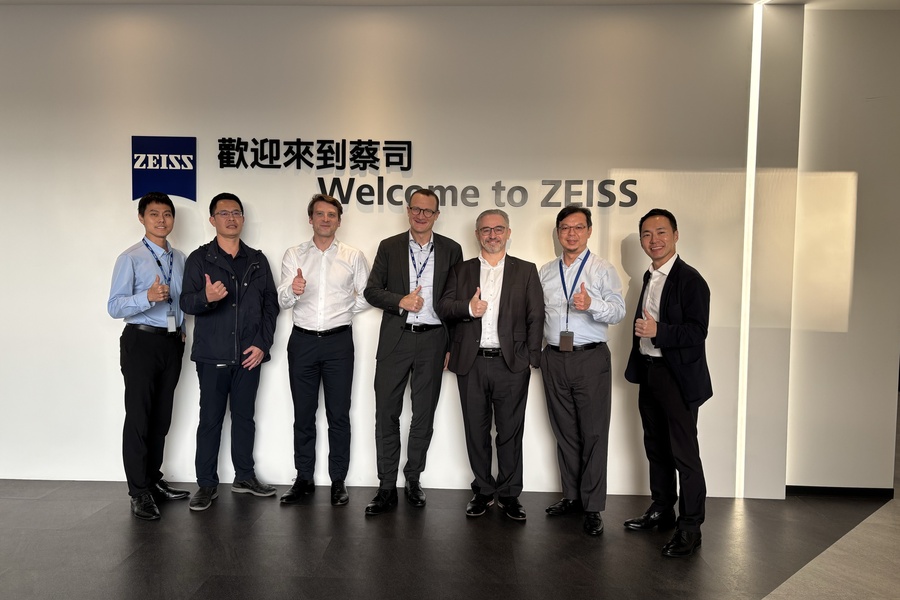
ZEISS Hsinchu Innovation Center.
Empathy Beyond Technology: Building Global Innovation Productivity
When discussing the global deployment and future challenges of the semiconductor industry, Fan approached the topic from the perspective of culture and talent across Europe and Asia. “The Netherlands is a very special country,” he observed. “With a population of just 17 million—on land only slightly larger than Taiwan—it has produced world‑class companies like ASML. That innovative strength comes from an educational culture cultivated from an early age.”
In the Netherlands, children are regarded as individuals capable of independent thinking and action. From primary school onward, they are encouraged to explore and experiment. Rather than pursuing uniform academic outcomes, the system respects diverse development paths. Only about 30 percent of students enter universities, while 70 percent follow vocational and technical routes. This balanced talent ecosystem allows innovation to translate into industrial strength and has made the Netherlands a model small nation capable of creating sustained value.
“The key to the future is not competition, but how we draw on the strengths of different cultures and complement one another,” Fan said. This philosophy is reflected in the ZEISS Taiwan Semiconductor Exchange Program he has promoted, enabling engineers from Taiwan and Germany to rotate internationally and learn from one another. Many German colleagues gain a deeper understanding of the pace and pressure of Asian markets after working in Taiwan, while Taiwanese engineers develop clearer insight into headquarters’ operational logic during assignments in Germany. “What matters most,” he emphasized, “is that through this process we develop empathy and mutual understanding. That is what builds cohesion across the group and fosters genuine respect for one another’s expertise.”
Looking ahead to the next decade, Fan believes AI will continue to reshape engineering and manufacturing, but creativity and empathy remain values technology cannot replace. “The ultimate goal of technology is not simply to make machines smarter,” he reflected, “but to help people collaborate better.” He also encouraged greater confidence among Asian professionals: “We have the capability and the technology—we should be more confident in expressing ourselves.” In his view, this marks the next stage beyond Moore’s Law—not merely the pursuit of technical advancement, but a shift toward connected, human‑centered innovation through shared intelligence.
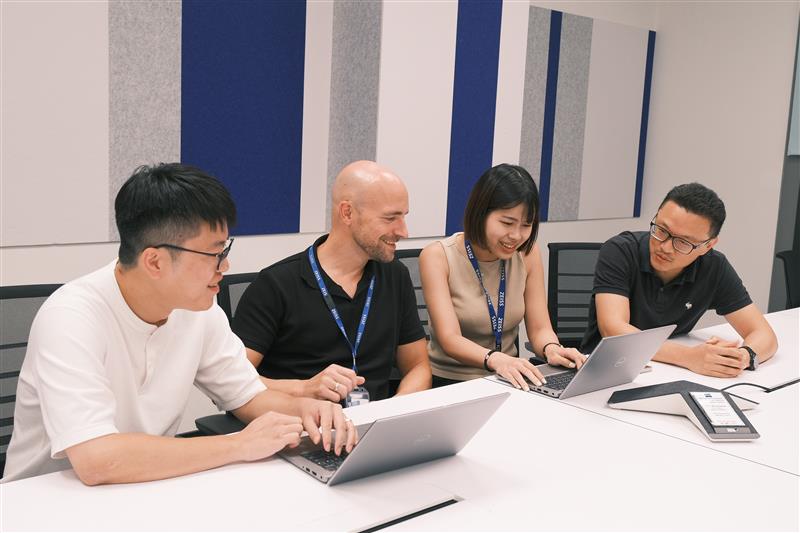
The ZEISS Taiwan Semiconductor Exchange Program promotes cross‑cultural learning through engineer exchanges between Taiwan and Germany.
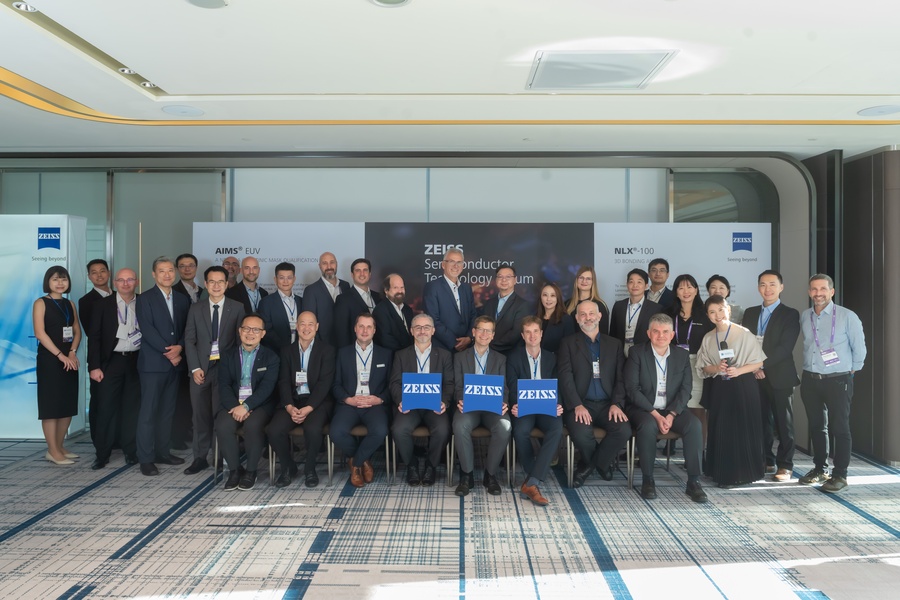
2025 ZEISS Semiconductor Technology Forum.
Share: